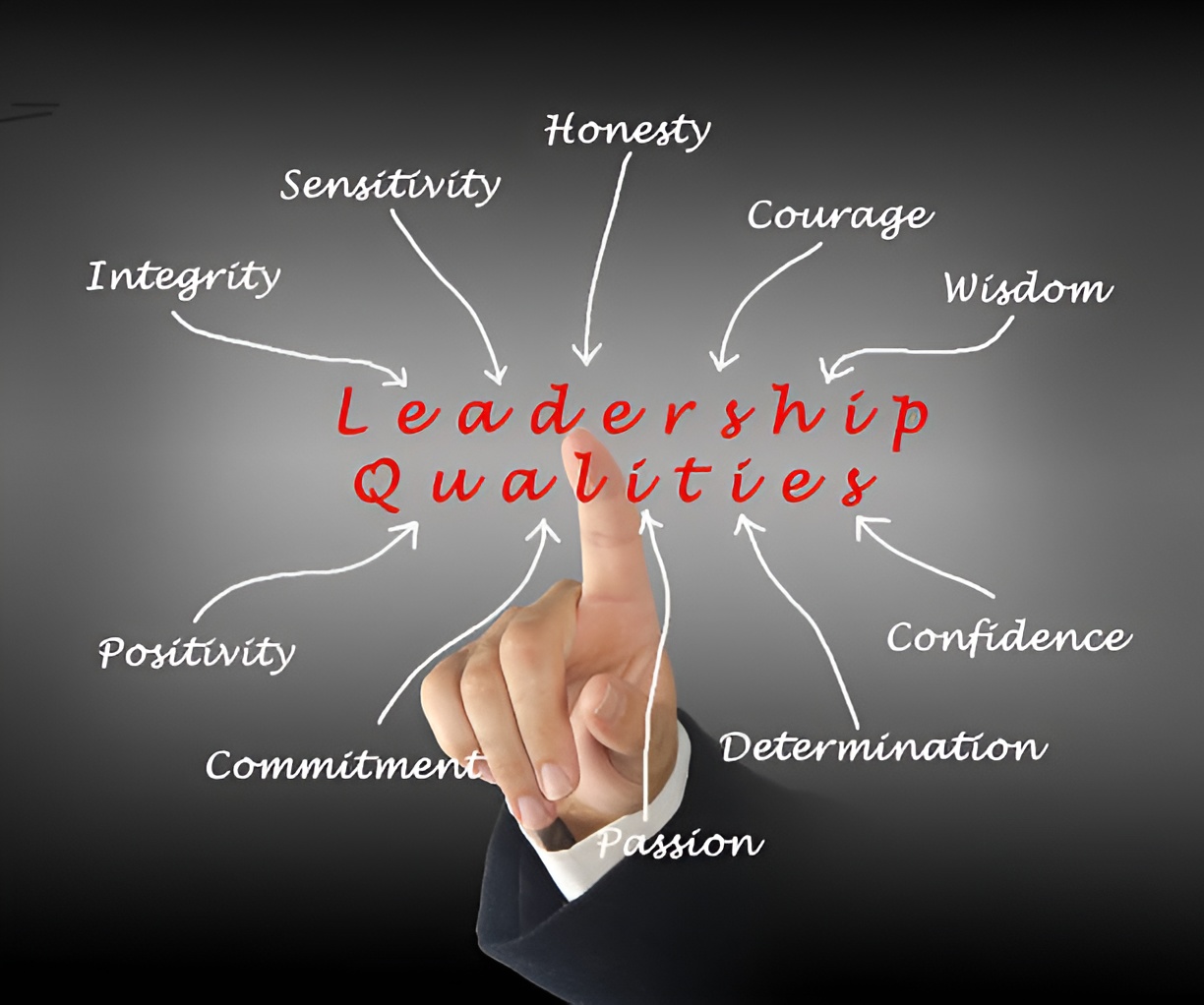
Leadership is not just a role; it’s a set of skills and qualities that can be developed over time. Many people believe that leadership is innate, but the truth is anyone can improve their abilities by taking small steps to develop leadership qualities consistently. Whether you’re a student, professional, or aspiring entrepreneur, incorporating daily practices into your routine can transform your confidence, influence, and effectiveness as a leader.
The journey of leadership growth begins with awareness and intention. Recognizing your current strengths and areas for improvement is the first step. By embracing practical habits and mindful practices, you can strengthen your decision-making, communication, and emotional intelligence. These foundational elements are the building blocks of long-term leadership success.
Understanding Leadership and Its Importance
Leadership is more than giving instructions or managing a team. It’s about inspiring others, creating vision, and driving meaningful outcomes. To take small steps to develop leadership qualities, it is important to understand that leadership manifests in everyday actions. How you handle challenges, motivate yourself, and support others reflects your leadership potential.
The importance of leadership extends beyond professional settings. Effective leaders influence their communities, mentor others, and foster collaborative environments. Developing leadership qualities not only benefits your career but also enhances personal growth and relationships.
Traits of Effective Leaders
Leaders exhibit traits such as empathy, accountability, adaptability, and clarity in communication. By focusing on these traits, you can identify which areas require attention. Practicing small steps to develop leadership qualities ensures that these traits become part of your natural behavior over time.
Building Self-Awareness
Self-awareness is the cornerstone of leadership development. Understanding your strengths, weaknesses, and emotional responses allows you to manage yourself and others more effectively. One of the simplest small steps to develop leadership qualities is to reflect on daily interactions and decisions.
Keeping a journal or noting personal achievements helps track growth and identify patterns. Self-reflection enables you to learn from mistakes, adjust your approach, and enhance your leadership potential consistently.
Mindful Reflection Practices
Taking a few minutes each day to reflect on challenges, decisions, and interactions strengthens emotional intelligence. Mindfulness and meditation can also support self-awareness, helping you respond to situations thoughtfully rather than react impulsively. These daily practices form the foundation for cultivating small steps to develop leadership qualities in practical ways.
Effective Communication
Communication is a critical skill for any leader. Developing strong communication involves not only speaking clearly but also listening actively. One of the most impactful small steps to develop leadership qualities is to practice expressing ideas concisely while being receptive to feedback.
Active listening encourages trust and collaboration, which are essential components of effective leadership. Leaders who communicate well can motivate their team, resolve conflicts, and build stronger relationships both professionally and personally.
Improving Communication Daily
Engage in conversations where you consciously practice clarity and empathy. Reading, public speaking exercises, or even explaining complex ideas to friends can strengthen communication skills. Consistent attention to this area reinforces small steps to develop leadership qualities and enhances influence over time.
Goal Setting and Discipline
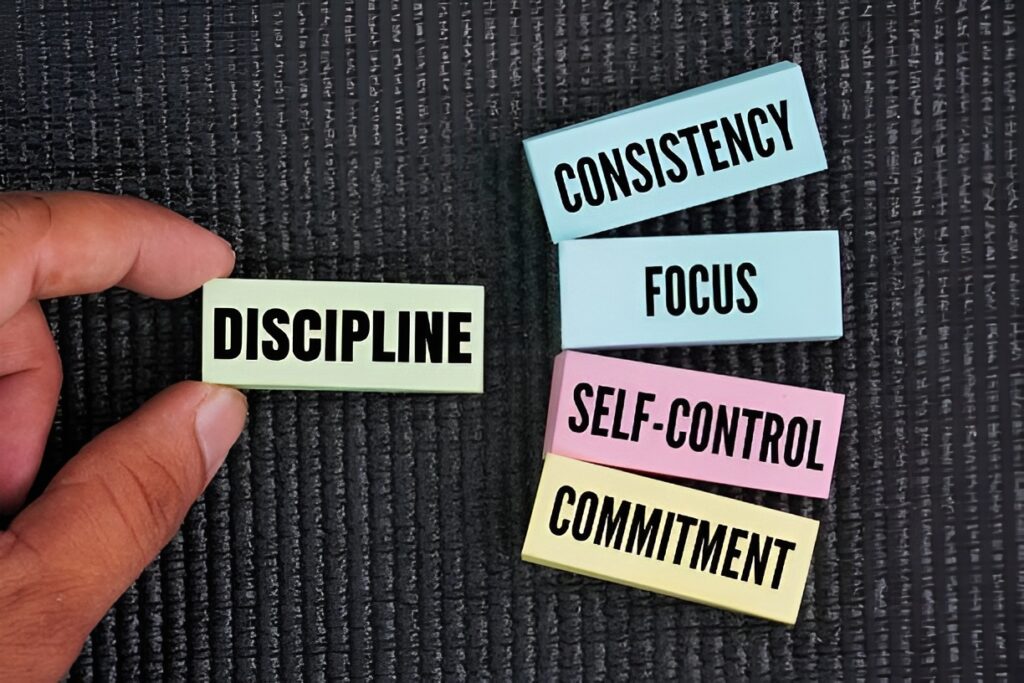
Leadership requires vision and the ability to guide others toward achieving goals. Setting personal and professional goals is a simple but powerful small step to develop leadership qualities. Discipline in pursuing these goals reflects commitment and inspires confidence in those around you.
Breaking larger goals into manageable daily actions ensures steady progress. Consistency in effort, even through small achievements, develops resilience and reliability—traits highly valued in effective leaders.
Daily Goal-Oriented Practices
Start each day by identifying priorities and tracking accomplishments. Celebrate small wins while staying focused on long-term objectives. This approach transforms ordinary routines into deliberate practices for cultivating small steps to develop leadership qualities that have a lasting impact.
Emotional Intelligence and Empathy
Emotional intelligence is the ability to understand and manage your own emotions while recognizing and influencing the emotions of others. Practicing empathy is a crucial small step to develop leadership qualities, as it builds trust and strengthens team dynamics.
Leaders with high emotional intelligence can handle conflicts with composure, provide meaningful feedback, and encourage collaboration. Developing these skills involves observing interactions, practicing patience, and being considerate of diverse perspectives.
Practical Empathy Exercises
Engage with colleagues, friends, or family members by actively listening and validating their feelings. Reflecting on your emotional responses and seeking to understand others’ viewpoints reinforces small steps to develop leadership qualities, helping create supportive and productive environments.
Decision-Making and Problem-Solving
A strong leader can make informed decisions and solve problems efficiently. Incorporating critical thinking and analysis into daily routines is one of the most effective small steps to develop leadership qualities.
Learning to evaluate situations, weigh options, and anticipate consequences builds confidence in your decision-making ability. Leaders who make consistent, thoughtful decisions inspire respect and create stability within teams.
Daily Decision-Making Practice
Practice making small decisions deliberately, reflecting on outcomes, and learning from mistakes. Whether it’s choosing the best approach to a project task or resolving minor conflicts, these experiences build judgment and reinforce small steps to develop leadership qualities in real-life contexts.
Time Management and Delegation
Leaders excel in managing time and resources effectively. Practicing time management daily, prioritizing tasks, and delegating responsibilities are essential small steps to develop leadership qualities.
By organizing your day efficiently, you model accountability and demonstrate competence. Delegating tasks appropriately also shows trust in others, encouraging teamwork and shared ownership of results.
Enhancing Productivity
Use planners, digital tools, or daily checklists to structure tasks. Evaluate your workflow and adjust as needed. Effective time management reinforces small steps to develop leadership qualities, ensuring that your actions consistently align with your goals and responsibilities.
Continuous Learning and Growth
Leadership is a lifelong journey. Committing to ongoing learning through reading, courses, mentorship, or workshops is a vital small step to develop leadership qualities. Staying informed and open to new ideas keeps leaders adaptable and innovative.
Learning from both successes and failures enriches experience, sharpens insight, and strengthens credibility. Leaders who embrace growth cultivate resilience and inspire others to pursue excellence.
Daily Learning Practices
Allocate time each day to read books, articles, or professional development materials. Engage in reflective exercises and apply new knowledge to real-life scenarios. These small, consistent actions are essential small steps to develop leadership qualities and reinforce long-term personal growth.
Conclusion
Developing leadership is not about making dramatic changes overnight; it’s about taking small steps to develop leadership qualities consistently. By focusing on self-awareness, effective communication, goal-setting, emotional intelligence, decision-making, time management, and continuous learning, anyone can become a more capable and inspiring leader.
Daily practices, even simple ones, compound over time to build confidence, influence, and the ability to inspire others. Whether you’re aiming to lead a team, manage projects, or grow personally, embracing small steps to develop leadership qualities empowers you to achieve meaningful growth and lasting success.